Noah Reed · 2 September 2026
Climate change is driving unprecedented levels of human migration across the globe. Rising temperatures, extreme weather events, and environmental degradation force communities to relocate in search of safer conditions. The new essay series from Gwenna Editorial Perspectives offers detailed analysis of these dynamics through multiple viewpoints and evidence-based discussion.
Environmental Pressures and Displacement Patterns
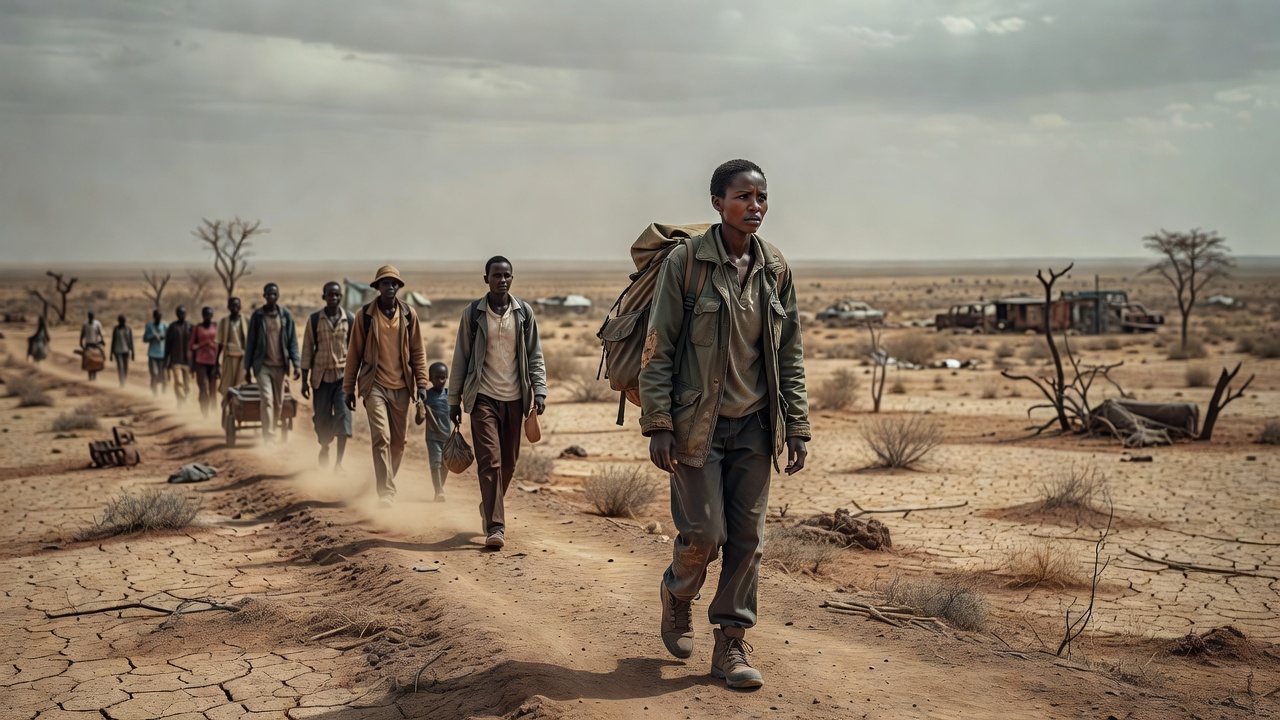
Coastal erosion and sea level rise threaten millions in low-lying areas including Bangladesh and Pacific islands. Prolonged droughts in sub-Saharan Africa have caused agricultural failures, prompting rural populations to move to urban centers or across borders. Recent projections indicate climate-related displacement could affect up to 216 million people internally by 2050. These movements often intersect with existing socioeconomic vulnerabilities, heightening conflicts over resources and straining infrastructure. The series examines case studies from affected regions, noting both successful adaptations and persistent challenges. Indigenous communities encounter unique threats as traditional lands become uninhabitable, resulting in cultural losses. Intensified storms and flooding further destroy homes and livelihoods in vulnerable zones worldwide. Additional analysis covers how changing rainfall patterns alter migration routes in South Asia and Latin America.
International Frameworks and Adaptation Strategies
Global agreements such as the Paris Accord and the Global Compact for Migration supply frameworks for addressing climate mobility, though implementation remains inconsistent across nations. The essays explore planned relocation programs, investments in resilient infrastructure, and enhanced cooperation regarding legal status for climate-displaced persons. Economic studies suggest that early adaptation spending could substantially lower future migration volumes. Contributors promote equitable policies that prioritize vulnerable populations and incorporate local knowledge into planning. The series encourages informed global dialogue on sustainable responses through rigorous examination of policy outcomes and community experiences.